Glow, Texture, Space: Elevate Small Rooms with Light and Materials

Today we’re exploring lighting and material palettes to elevate small rooms, sharing practical layering strategies, color and finish choices, and small upgrades that create generous visual depth. Expect clear examples, human stories, and tips you can try tonight, whether you rent or own, so your compact spaces feel brighter, quieter, and surprisingly expansive without costly renovations. Share a photo of your smallest room and questions in the comments, and we’ll suggest a layered starter plan tailored to your light, colors, and budget.

Layering Light to Stretch Perceived Space

Small rooms feel larger when light arrives in layers, arriving softly from multiple directions rather than blasting from a single point. Combine gentle ambient glow, precise task beams, and selective accent sparkle to reduce contrast, smooth edges, and draw the eye outward. Thoughtful dimming lets each layer breathe, adapting to reading, hosting, or quiet evenings without adding clutter.

Ambient Foundations That Calm the Room

Begin with an even canvas. Low-glare ceiling washes, shaded pendants, or concealed coves bounce light from walls and ceilings, flattening harsh hotspots. Aim for a comfortable baseline around 100–200 lux, then let other layers add interest, ensuring faces look relaxed and corners dissolve gently.

Task Beams That Serve Without Stealing Focus

Direct brightness only where needed. Adjustable reading arms, under-cabinet strips, and narrow-beam spots deliver clarity on pages and counters without flooding entire rooms. Keep glare control in mind; shielded optics, frosted diffusers, and careful aiming protect sightlines and preserve that welcome, calm background glow.

Material Palettes That Amplify Light
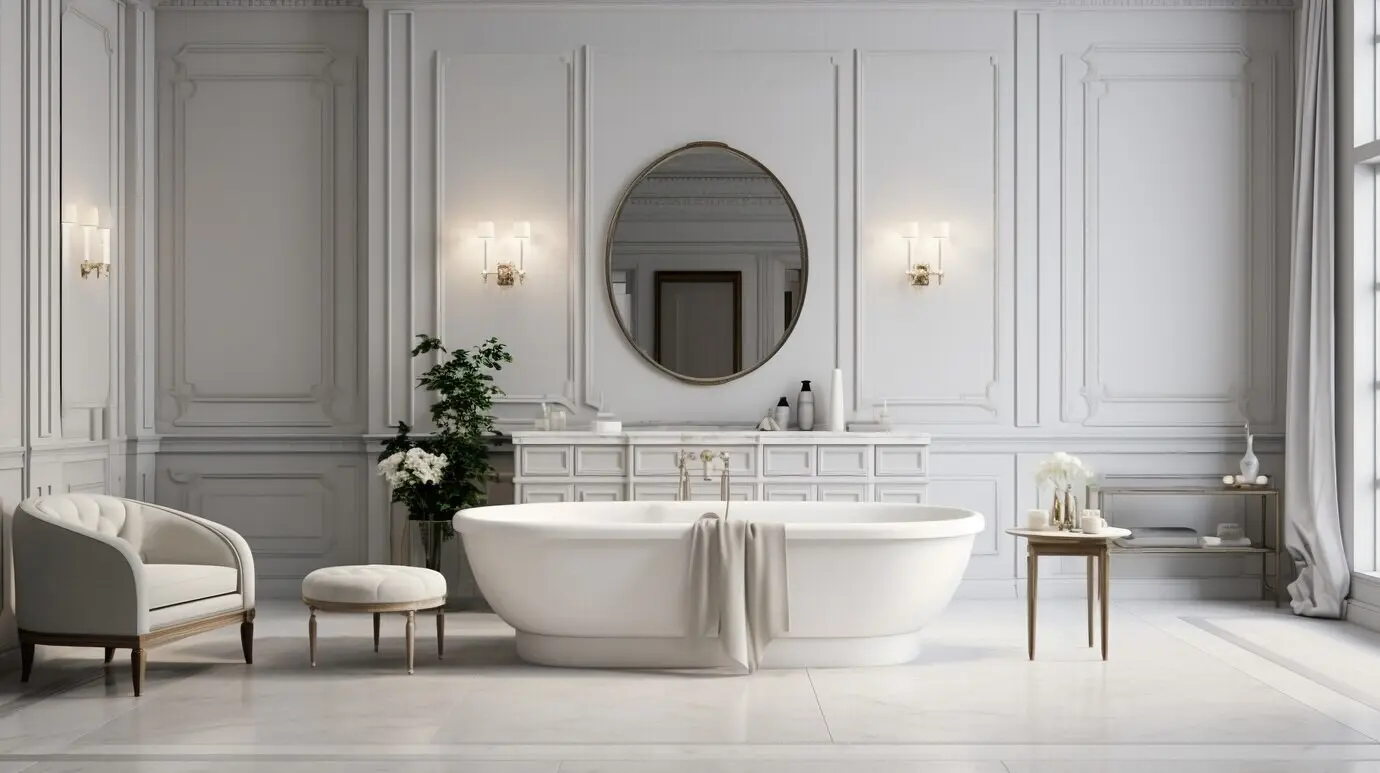
Materials become partners with light in tight quarters. Favor finishes with higher Light Reflectance Values to bounce illumination, and weave in tactile contrast so surfaces stay interesting up close. Mix matte walls, satin woods, and discreet glints of metal or glass to balance warmth, reduce glare, and keep edges visually airy.

Color, Temperature, and Truthful Rendering

Color temperature shapes mood; color rendering reveals reality. In compact rooms, stability matters because every shift reads instantly. Choose warm to neutral tones for evening ease, cooler daylight for focused tasks, and bulbs with high CRI so wood, fabrics, and paint look consistently intentional and alive.

Warm Nights, Clear Days

Tune between 2700K and 4000K as activities change. Evening dinners glow at 2700K with dimming, while 3500–4000K helps desk corners feel alert without turning clinical. If fixtures cannot change color, set scenes by mixing lamp types and controlling them with simple, labeled switches.

Why CRI Above 90 Matters

High CRI lamps keep reds rich, greens honest, and complex neutrals nuanced, so material palettes stay cohesive throughout the day. In tiny spaces, inaccurate color looks like clutter. Choose CRI 90–95 LEDs from reputable brands, and test swatches under the exact bulbs you will use.

Consistency Prevents Visual Noise

Mixing wildly different white points can slice small rooms into jittery zones. Keep adjacent fixtures within 200K of each other, and match dim-to-warm curves where possible. Your eye relaxes, shadows soften, and materials read as one harmonious story instead of competing, flickering billboards.

Three Compact Transformations

Real homes prove subtle decisions matter. We revisit a narrow entry, a one-room studio, and a tiny bath where layered light and curated materials reshaped experience. Each story shows constraints, small interventions, and specific products, offering a blueprint you can adapt to your own nest.

The Hallway That Stopped Feeling Like a Tunnel

A pair of slender wall washers lifted the ceiling line, while a matte, pale-gray paint bounced gentle light without glare. A narrow mirror with rounded corners multiplied depth. Hooks in brushed brass echoed the glow, turning a once rushed passage into a welcoming pause for shoes and keys.

A Studio Zone Plan That Feels Like Rooms

Instead of one bright blob, we layered scenes: cove ambient for evenings, a swing-arm task lamp at the sofa, and pinpoint accents on a bookshelf vignette. A birch plywood headboard anchored sleep, while linen curtains and reeded glass doors filtered daylight and blurred visual clutter.

The Tiny Bath with Spa Quiet

An LED backlit mirror provided shadow-free grooming, while a high-CRI 3000K downlight grazed vertical tile to feel taller. Pale terrazzo with small aggregates hid water spots. A single eucalyptus branch under a soft accent made the room smell fresh, look considered, and invite slower mornings.

Daylight, Privacy, and the Art of Soft Edges

Natural light is free square footage for the eye. In compact rooms, aim to feather brightness across surfaces, preserve privacy, and avoid punchy glare that collapses depth. Gentle diffusion, reflective planes, and small redirection tricks can transform a harsh window into a serene, luminous partner all day.

Create Three Core Scenes

Build Morning, Focus, and Wind Down as your defaults. Morning lifts ambient gently, Focus raises task while muting accents, and Wind Down warms tones and dims everything to hush. Program on inexpensive remotes or apps, and invite family to rename scenes so everyone feels ownership.

Dimmers That Reach True 1%

Cheap dimming often stalls at thirty percent, leaving evenings too bright. Look for flicker-free drivers and dim-to-warm LEDs rated to one percent, and match dimmer types to fixtures. The payoff is profound: softer faces, gentler shadows, and cinematic calm that makes compact rooms exhale.

Keep Controls Human

Fancy systems are useless if guests cannot turn on a lamp. Use clear labels, consistent switch heights, and tactile dimmer knobs. Build a tiny card with scene names and Wi‑Fi details, invite feedback, and iterate until control feels obvious, welcoming, and completely forgettable during conversations.

Rental-Friendly Upgrades and Clever Swaps

Transformations need not be messy or expensive. Plug-in sconces, peel-and-stick cable clips, and adhesive mirrors change perception in an afternoon. Focus on bulb quality, shade shape, and a few reflective accents; they multiply light, reduce visual chaos, and let you pack improvements when you eventually move.
Vamivekexekikevifimiva
Privacy Overview

This website uses cookies so that we can provide you with the best user experience possible. Cookie information is stored in your browser and performs functions such as recognising you when you return to our website and helping our team to understand which sections of the website you find most interesting and useful.